
-
Premium Sliding Coir Curtain, 100% Natural & Eco-Friendly | Tropical resort design
Regular price From $49.50 USDRegular price -
Coir shade sails | Coco Shade Sails, 100% natural
Regular price From $60.00 USDRegular price

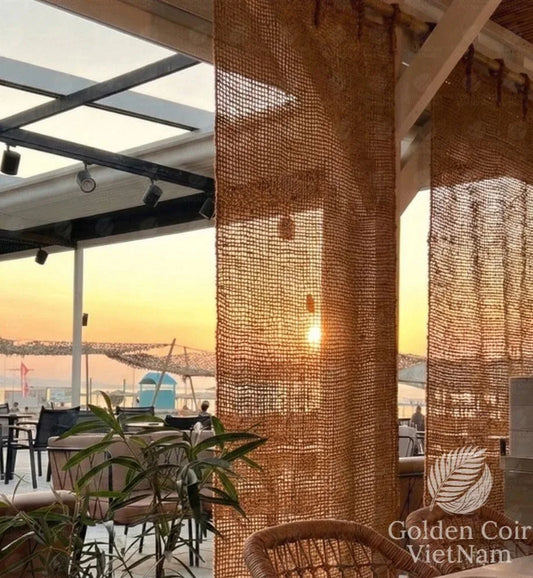

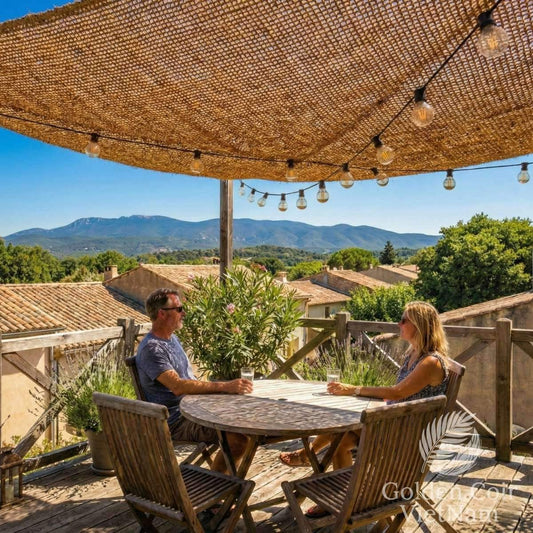
What is a coir shade sail?
A coir shade sail is a woven structure designed to filter sunlight while allowing maximum airflow. Unlike canvas or high-density polyethylene (HDPE) sheets, which act as barriers, a coir sail functions as a filter. It is crafted from the fibrous husk of the coconut, specifically the species Cocos nucifera. This material has served maritime and agricultural industries for centuries due to its resilience, but its application as a sustainable shade cloth is a modern refinement of ancient techniques.

The primary function of this natural fiber awning is to reduce direct solar exposure without darkening the area completely. The grid-like structure of the weave creates a balance between shadow and light. This makes it distinct from standard umbrellas or plastic tarps. When you install a coir shade sail, you are not just blocking the sun; you are introducing a semi-permeable layer that mimics the canopy of a tree. This architectural approach allows for thermal comfort that solid fabrics cannot achieve.
Furthermore, the identity of the coir sail is rooted in its origin. It is a 100% plant-based product. There are no plasticizers, UV-stabilizing chemicals, or synthetic dyes involved in high-quality production. For the eco-conscious buyer in the US market, this distinction is vital. It creates a connection between the built environment and the natural world, transforming a simple patio cover into a statement of environmental responsibility.
Why Buy Coir Shade sail From Golden Coir Vietnam
Many outdoor shade products use plastic that traps heat and creates waste. We build a better choice. When you buy from Golden Coir Vietnam, you get natural plant fibers that cool your patio and protect the earth. You support a business that works for a zero waste environment.
- ✔️ Natural Yard Goods: We sell sun shade sails, coconut umbrellas, and coco mulch mats to block the sun and help your plants grow.
- ✔️ Earth Friendly Materials: We guarantee every shade sail uses pure coconut husk fiber to create a cooling airflow.
- ✔️ Fast and Safe Shipping: Workers pack your order carefully and send it with tracking numbers.
- ✔️ Secure Checkout: Our website protects your payment details and personal data.
- ✔️ Helpful Customer Service: Our team is ready to answer questions and help you set up your shade net.
What Is the Benefits of Coir Shade Sail?
The primary complaint regarding solid canvas awnings or metal roofs is heat retention. While they block the sun, they also trap rising hot air, creating an oven effect underneath. A coir shade sail operates on the principle of passive cooling. The open weave of the breathable outdoor fabric allows hot air to rise and escape through the mesh instantly. This constant air exchange prevents heat from accumulating, keeping the area beneath the sail significantly cooler.
This breathability does not compromise protection. The thick fibers of the coir physically intercept sunlight. While a small percentage of direct light passes through the gaps, the majority is absorbed or reflected by the fiber surface. This creates a shaded environment that feels open and airy rather than enclosed and stifling. The reduction in ambient temperature can be substantial, often making the difference between an unusable patio and a comfortable retreat during the height of summer.

Creation of a Microclimate Through High Air Permeability
High air permeability is essential for creating a comfortable microclimate. A microclimate is a small, localized area where the atmospheric conditions differ from the surrounding area. Under a dense coir shade sail, the temperature is lower, and the air movement is unrestricted. This mimics the feeling of standing under the deep shade of a large tree canopy.
Data suggests that permeable shade structures can reduce the felt temperature by 10-15 degrees Fahrenheit compared to standing in direct sun. Because the air is constantly moving through the fabric, sweat evaporates more easily from the skin, enhancing the body's natural cooling mechanism. This creates a refreshing environment that encourages longer outdoor stays, even on warm days.
Managing Solar Radiation Without Trapping Heat
Solar radiation carries both light (visible spectrum) and heat (infrared). A solid surface absorbs this heat and radiates it downward. Coir handles solar radiation differently. The fibers absorb the UV and heat energy but, due to their structure and the gaps in the weave, they do not re-radiate it intensely toward the ground. The heat is dissipated into the passing air above the sail.
This provides effective UV filtration. While not a solid UV block like sunscreen, the shade sail significantly reduces the intensity of UV exposure. It creates a "dappled light" effect, filtering out the harsh glare while retaining natural luminosity. This is particularly beneficial for plants underneath that require partial shade, as well as for people who want to enjoy daylight without the risk of sunburn.
Why a breathable Coir shade sail offers better thermal comfort for your patio
Many homeowners add a coir shade sail to the patio and still avoid using the space at midday. The sun is blocked, but heat stays trapped below. This problem is common with canvas sail, HDPE shade cloth, or plastic mesh that stop airflow and store solar radiation.

A coco shade sail made from the husk of Cocos nucifera of Golden Coir VietNam works in a different way. The open-weave construction of this natural fiber textile allows wind to pass through the shade net. This creates active heat release instead of trapped warmth and improves thermal comfort in an outdoor living space.
When sunlight hits the surface, moisture regulation begins inside the fibers. Small amounts of moisture move in and out as air flows through. This supports evaporative cooling and lowers perceived temperature without power or mechanical systems.
Permeable outdoor shade structures also change how light behaves. Direct glare becomes filtered sunlight, dappled light, and soft shadow. The effect feels close to a tree-canopy effect, which makes a patio usable for longer hours.
Research summarized by the U.S. Department of Energy shows that permeable shade systems can reduce surface temperatures by 8–12°C compared to solid covers, supporting heat island reduction in residential areas.
You can install this system with common tools:
- Measure the patio and identify the main sun path.
- Choose a triangular shade sail, rectangular shade sail, or custom size shade sail.
- Mark shade sail anchor points on a pergola, wall, or posts for a wall mounted shade sail.
- Install mounting hardware such as grommets, D-rings, and tension cable.
- Tension the fabric to achieve stable tensioned geometry.
The material performs well outdoors because coconut husk fibers possess naturally high lignin content. This unique chemical structure provides rot resistance and salt resistance during weather exposure. The surface dries fast, needs low maintenance, and handles natural aging without coating or chemicals.
When the shade reaches the end of its use, it supports biodegradable disposal. Many users move it to composting as garden mulch or soil amendment. This completes a circular lifecycle and contributes to plastic pollution reduction.
For landscape architecture, sustainable design, and permaculture gardening, this solution fits natural material design goals. Landscape architects and eco-conscious buyers often buy coir shade sail products from a natural shade sail supplier as part of sustainable outdoor decor and long-term sustainable landscaping.
The aesthetic appeal of rustic coir in modern landscape architecture
Many outdoor spaces feel finished on paper but still look flat in use. Hard surfaces reflect light, and synthetic covers add visual weight. Homeowners often notice this problem after installing plastic mesh, HDPE shade cloth, or bamboo blinds that block sun but clash with the surrounding landscape.
Coir offers a different visual language. The coarse, open texture brings an organic look that fits modern landscape architecture without looking forced. Light passes through the surface and breaks into filtered sunlight, dappled light, and soft shadow.
This effect mirrors a tree-canopy effect found in nature. Instead of a flat shade line, the patio or garden gains depth. The surface develops a natural patina over time, which supports natural material design and avoids the uniform look of canvas sail or plastic mesh.
Landscape architects use this material because it adapts across styles. It works with tropical style near pools, Mediterranean style terraces, and minimalist pergola structures. In each case, the shade sail supports sustainable design rather than competing with planting or hardscape.
You can apply this approach step by step:
- Identify the visual focal point in the outdoor living space, such as a patio or seating zone.
- Choose a triangular shade sail, rectangular shade sail, or custom size shade sail that frames this area.
- Select wall mounted shade sail positions or pergola mounts that align with existing lines.
- Mark shade sail anchor points to maintain clean tensioned geometry.
- Install mounting hardware with grommets, D-rings, and tension cable.
Because the fibers are tough and weather-resistant, the surface handles exposure while aging in place. The color shifts with sun and rain, which reinforces a rustic look instead of damage. This natural aging is often preferred by garden designers working on sustainable landscaping.
Beyond appearance, this choice supports heat island reduction and plastic pollution reduction. It replaces plastic-based sun protection sails with a plant-based material that aligns with permaculture gardening values.
For eco-conscious buyers, choosing this option also fits long-term planning. When the shade reaches the end of use, it supports biodegradable disposal through composting as garden mulch or soil amendment. This completes a circular lifecycle and strengthens sustainable outdoor decor decisions for homeowners and professionals alike.

Coir and plastic compared to explain the permeable advantage for UV protection
Many homeowners choose plastic shade products because they promise strong UV protection. After installation, the space often feels hot and still. This happens with HDPE shade cloth, plastic mesh, or canvas sail that block sunlight but also trap heat.
Coir shade systems approach UV protection in a different way. The porous weaving does not rely on full surface blockage. It filters solar radiation while allowing airflow to pass through the shade net. This balance supports usable UV protection without heat buildup.
Plastic-based sun protection sails work by density. Higher density raises UV blockage percentage, but it also reduces wind permeability. Heat accumulates under the canopy, which lowers thermal comfort on a patio or pergola. Coir uses spacing and fiber depth instead of coatings. Light is broken into filtered sunlight and speckled shade rather than stopped at one plane.
Health guidance on shade explains how shade can reduce UV exposure while still allowing comfortable outdoor use. This supports the tree-canopy effect used in landscape architecture and outdoor shade structures.
| Material type | UV protection method | Heat behavior | End of life |
|---|---|---|---|
| Coir shade sail | Light filtration through fiber spacing | Non-heat trapping with airflow | Compostable and biodegradable disposal |
| Plastic shade cloth | Dense surface UV blocking | Heat retention under canopy | Plastic waste |
For practical use, DIY enthusiasts can test the difference:
- Stand under each material at noon for ten minutes.
- Check airflow by hand movement.
- Touch the surface to compare heat retention.
Coir also performs well outdoors because of its inherent durability. This supports rot resistance, salt resistance, and stability during weather exposure. Over time, natural aging forms a surface patina instead of cracking or peeling.
For landscape architects and eco-conscious buyers, this choice supports sustainable design goals. It reduces plastic pollution reduction risk and aligns with sustainable landscaping, permaculture gardening, and natural material design. Many professionals buy coir shade sail products from a natural shade sail supplier as part of long-term sustainable outdoor decor.

How natural coconut fiber creates a cooling microclimate
Many patios feel hot even under shade because heat has nowhere to go. Solid covers block sun, but they also block airflow. This turns the space under a canopy or awning into a heat pocket.
Natural coconut fiber works through structure, not coatings. The breathable textile design allows constant airflow through the shade sail. Moving air carries heat away instead of trapping it, which forms a localized cooling microclimate under the cover.
As wind passes through the fibers, moisture regulation takes place. Coconut fiber absorbs small amounts of humidity and releases it back into the air. This process supports evaporative cooling, similar to how soil cools after watering in permaculture gardening.
Light behavior also changes. Instead of full sun blocking, solar radiation breaks into filtered sunlight, dappled light, and soft shadow. This reduces surface heat while maintaining visibility and comfort in an outdoor living space.
Building science guidance explains how heat island reduction strategies rely on shade and cooling, especially over hard surfaces.
You can create this effect yourself:
- Install the shade net above head height on a pergola or wall mounted shade sail.
- Align shade sail anchor points to allow cross-breeze.
- Use tension cable, grommets, and D-rings to keep airflow paths open.
Because the material is naturally rot-resistant, it resists decay and dries fast after rain. This supports stable thermal comfort during weather exposure while avoiding the heat buildup common with plastic mesh or HDPE shade cloth.

Avoiding heat traps through the difference between canvas sails and open weave
Many patios feel hotter after a shade sail goes up. The cover blocks sun, but the air under it stops moving. This problem is common with a canvas sail, awning, or dense canopy used in outdoor shade structures.
Canvas and similar plastic based fabrics rely on surface density for sun blocking. High UV blockage percentage reduces light, but it also blocks airflow. Heat from solar radiation collects under the fabric, which lowers thermal comfort in an outdoor living space.
An open weave shade net made from coir works by spacing, not sealing. The loose fiber matrix allows wind to pass through the surface. This creates non-heat trapping shade that feels closer to standing under a tree.
Airflow changes how heat behaves. Moving air carries warm air away and supports evaporative cooling. Light becomes filtered sunlight with dappled light and soft shadow instead of glare. This balance improves heat reduction without closing the space.
| Shade type | Airflow | Heat behavior | Typical material |
|---|---|---|---|
| Canvas sail | Blocked | Heat buildup | Synthetic fabric |
| Open weave coir sail | Passes through | Cooling microclimate | Plant-based material |
You can apply this difference in practice:
- Replace a solid canopy with a breathable material.
- Align shade sail anchor points to allow cross breeze.
- Use tension cable, grommets, and D-rings to keep fabric open.
The fibers contain lignin for structural stability, which supports rot resistance during weather exposure. The surface dries fast and ages naturally, unlike plastic mesh or HDPE shade cloth.

Designing your outdoor living space and choosing where to install biodegradable shade netting
Many homeowners invest in outdoor shade but still avoid using the space during peak sun hours. Seating areas stay warm, and light feels harsh or uneven. This often happens when shade netting is installed without a clear plan for airflow and daily use.
Biodegradable shade netting performs best when integrated into the outdoor living space as a design element, not an afterthought. Open textile weaving allows air and light to move through the structure. This helps maintain thermal comfort while supporting sun blocking and UV protection.
The first step is to map how the space is used. Observe where people sit, cook, or walk during midday and late afternoon. Focus on functional zones such as the patio, pergola, or dining area instead of covering the entire garden.
Next, study sun direction and airflow. Note where solar radiation hits hardest and where wind naturally moves between buildings or trees. This information guides placement and prevents non-heat trapping shade from turning into a heat pocket.
Use this step by step approach:
- Measure the target area and choose a triangular shade sail, rectangular shade sail, or custom size shade sail.
- Decide between wall mounted shade sail installation or freestanding posts.
- Mark shade sail anchor points to allow cross ventilation.
- Install mounting hardware with grommets, D-rings, and tension cable.
- Adjust tensioned geometry to keep the shade net stable and open.
When installed well, light becomes filtered sunlight with dappled light and soft shadow. The result resembles a tree-canopy effect rather than a sealed canopy or awning. This improves heat reduction while keeping the space visually open.
This approach supports sustainable landscaping and heat island reduction. The coconut husk fibers are naturally durable, providing rot resistance and salt resistance during weather exposure. The surface dries fast, needs low maintenance, and handles natural aging without coatings.
At the end of use, the material supports biodegradable disposal through composting. Many users repurpose it as garden mulch or soil amendment, completing a circular lifecycle. For landscape architects, garden designers, and eco-conscious buyers, this method aligns outdoor shade structures with sustainable design and natural material design goals.
Choosing the right placement also protects long term value. Homeowners who buy coir shade sail products from a natural shade sail supplier often see better comfort, reduced plastic pollution, and more consistent use of their outdoor space.

Installation essentials for securing your sun shade to a pergola or structure
Many homeowners install a shade sail and later face sagging fabric, uneven shade, or early wear. These issues usually come from weak anchor points or poor tension. A clear installation plan prevents most of these problems.
Sun protection sails made from natural fibers behave differently from canvas sail or HDPE shade cloth. The breathable mesh allows airflow, but it also requires correct tensioned geometry to stay stable. When installed well, the system supports thermal comfort and long-term use.
Start by checking the structure. A pergola, wall, or post must handle constant pull from a tensioned fabric. Wood beams, steel frames, or reinforced masonry work best. Avoid attaching to trim, fascia, or decorative elements.
Plan anchor placement before drilling. Shade sail anchor points should form clean angles that pull the fabric evenly. This reduces stress and helps the shade net keep its shape during wind and weather exposure.
Use this step by step method:
- Measure the area and select a triangular shade sail, rectangular shade sail, or custom size shade sail.
- Mark anchor points on the pergola or wall mounted shade sail locations.
- Install mounting hardware rated for outdoor shade structures.
- Attach grommets or D-rings to anchor hardware using tension cable.
- Tighten each side gradually to create even tension.
Correct spacing matters. Leave small gaps between the shade and solid surfaces to maintain airflow. This supports non-heat trapping performance and reduces heat buildup under the canopy.
The tough cellular structure of the fibers supports rot resistance and salt resistance. This helps the shade handle sun, rain, and wind without chemical coatings. The surface dries fast, making air drying and seasonal removal simple.
Maintenance stays minimal. Most users manage upkeep through debris shaking and occasional repositioning. Natural wear appears as color change rather than tearing, which fits sustainable outdoor decor goals.
When the shade reaches the end of its life, it supports biodegradable disposal. Many users move it to composting as garden mulch or soil amendment. This completes a circular lifecycle and reduces plastic pollution compared to plastic mesh or bamboo blinds.
Landscape architects and DIY enthusiasts use this installation approach to align outdoor living space design with sustainable design, heat island reduction, and long-term value.
Embracing the zero-waste lifecycle from garden shade to compost
Many homeowners replace outdoor shade every few years. Fabric weakens, plastic cracks, and disposal becomes a problem. Most sun protection sails end up in landfill, even when the rest of the outdoor living space is designed with care.
A biodegradable shade sail made from coconut fiber follows a different path. It starts as a functional shade net and ends as a soil resource. This closed loop supports a zero-waste lifecycle that plastic mesh, HDPE shade cloth, and canvas sail cannot match.

During use, the material performs as a breathable material. Open textile weaving allows airflow, supports thermal comfort, and reduces heat buildup under a patio or pergola. The shade filters solar radiation into dappled light and soft shadow, similar to a tree-canopy effect. This improves daily comfort while supporting heat island reduction strategies.
The structure of the material is key. The fibers contain natural preservatives (lignin), which give rot resistance during weather exposure. This allows the shade to age naturally instead of failing suddenly. Natural wear shows as surface patina rather than tearing, which supports long service life with low maintenance.
Basic care extends use:
- Remove loose debris through debris shaking.
- Allow air drying after rain.
- Perform seasonal removal during storms if needed.
When the shade reaches the end of use, disposal becomes a benefit instead of a burden. The plant-based material supports biodegradable disposal without special processing. You can cut the fabric into smaller sections and move it into composting systems.
In compost, coconut fiber breaks down slowly. It acts like a sponge, holding moisture near organic matter and improving structure. Many users reuse it as garden mulch or soil amendment, which supports permaculture gardening and sustainable landscaping.
| Lifecycle stage | Coir shade sail | Plastic based shade |
|---|---|---|
| Use phase | Breathable shade with airflow | Heat trapping cover |
| End of life | Compostable material | Landfill waste |
This lifecycle reduces plastic pollution and supports sustainable design choices in landscape architecture. For eco-conscious buyers, garden designers, and landscape architects, choosing a coir shade sail aligns outdoor shade structures with long term environmental goals.
When homeowners compare coconut fiber shade net price options or search for an eco shade sail online, they are investing in comfort, durability, and a system that returns value to the garden instead of creating waste.
Frequently Asked Questions
Is a coir shade sail waterproof?
No, coir shade sails are not waterproof. They are designed with an open-weave texture to be breathable, allowing hot air to escape upwards while filtering sunlight. This prevents heat buildup (the "greenhouse effect") but means that rain will pass through the mesh.
How much UV protection does a coconut fiber shade offer?
Coir shade sails provide significant shade and reduce glare, but they do not block 100% of UV rays like solid canvas. Instead, they create "dappled light" (a tree-canopy effect), filtering harsh solar radiation while maintaining natural daylight and airflow.
How do I install a coir shade sail correctly?
To install, identify your anchor points (walls, posts, or trees) and use stainless steel hardware like turnbuckles and snap hooks. Ensure you tension the fabric tightly to prevent sagging. Because coir allows wind to pass through, it places less structural load on anchors than solid plastic sails.
Can I leave the shade sail out all year round?
While coir is naturally rot-resistant and handles rain well, we recommend taking the shade sail down during harsh winter snow or extreme storms to prolong its lifespan. Store it in a dry place when not in use.
Is this shade sail environmentally friendly?
Yes, it is a zero-waste product. Made from 100% coconut husk fiber (a byproduct of the food industry), the shade sail is completely biodegradable. At the end of its life, it can be composted or used as garden mulch, unlike synthetic HDPE shades that end up in landfills.
100% Natural Coir
Biodegradable coconut fiber ideal for landscaping and outdoor living.
Factory-Direct Supply
Stable pricing, strict quality control, and custom coir products.
Fast U.S. Delivery
Reliable logistics options with responsive customer support.
Quality Guaranteed
Clear specifications and careful inspection for every shipment.