
-
Premium Round Coconut Umbrella | 100% Natural from Coir Fiber
Regular price $299.00 USDRegular price -
Parasols en Fibre de Coco
Regular price $259.00 USDRegular price -
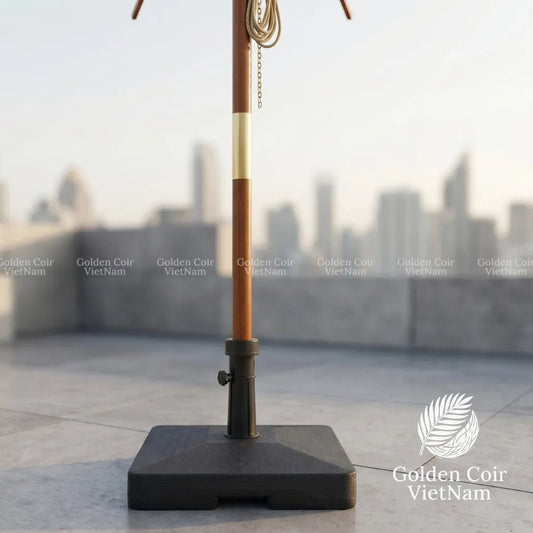
Patio umbrella Base - A part of Coir Parasol
Regular price $39.00 USDRegular price -
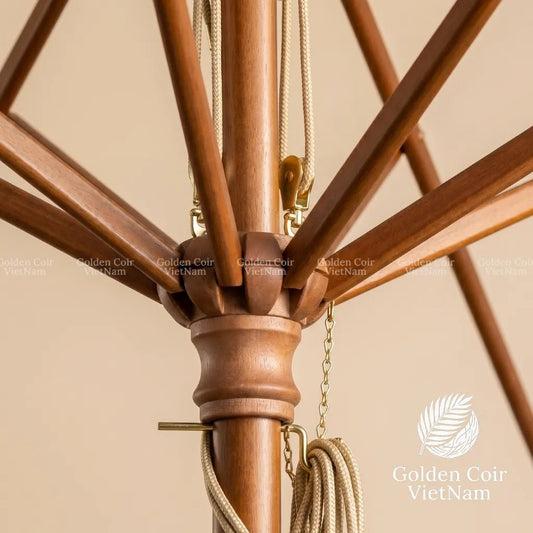
9′ Wooden Replacement Frames - A Part of Coir Parasol
Regular price $150.00 USDRegular price -
Round Coir Parasol | Coco Umbrella, 100% Natural
Regular price $259.00 USDRegular price

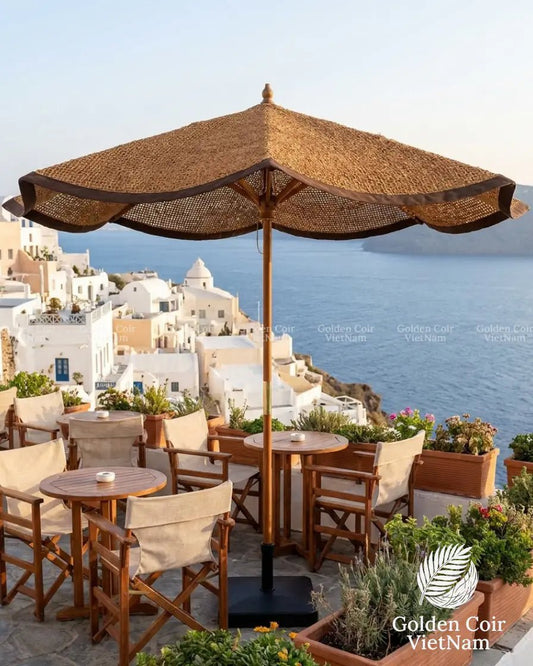

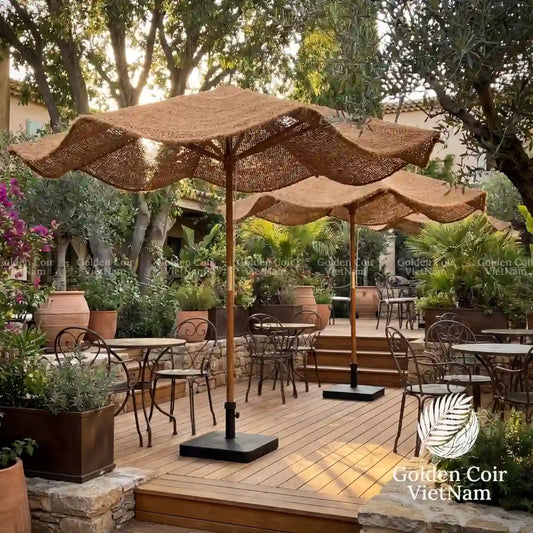



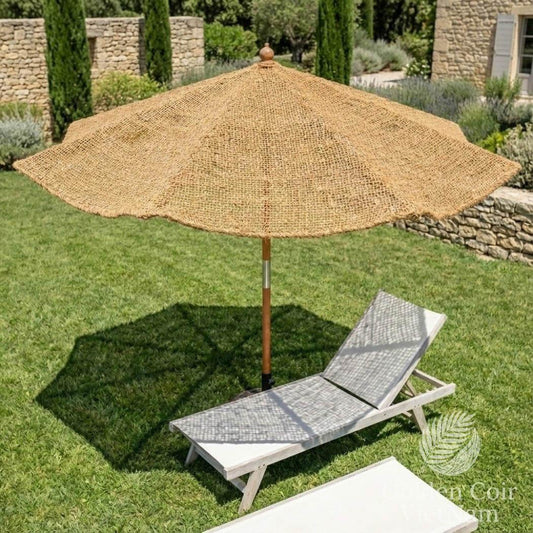
What is a Coconut Umbrellas?
A coconut umbrellas is a sustainable shade solution handcrafted from the fibrous husk of the coconut palm, scientifically known as Cocos nucifera. Unlike conventional parasols that rely on synthetic canvas or plastic sheets, this product utilizes purely natural coir fiber woven into a durable and structured canopy.
The defining feature of a coconut umbrella is its open weave design. Artisans hand weave the coarse fibers into a grid pattern that filters sunlight rather than blocking it completely. This technique mimics the natural shade of a tree canopy. It breaks intense solar glare into soft and dappled light while allowing hot air to escape upward through the textured gaps. The result is a seating area that feels significantly cooler and more breathable compared to spaces under solid fabric umbrellas.

Beyond its cooling function, the coconut umbrella serves as a robust architectural element. The coir material is naturally resistant to salt air, moisture, and decay. This inherent durability makes it a preferred choice for beach resorts and high traffic outdoor venues. Over time, the golden brown fibers age gracefully into a silver tan hue. This process adds organic warmth and rustic elegance to any landscape design.
- 100% Biodegradable Material: Constructed entirely from renewable coconut husk fiber without plastic coatings or synthetic binders.
- Superior Airflow: The porous structure allows wind to pass through which reduces uplift pressure and prevents heat traps.
- Handcrafted Texture: Each unit displays unique variations in weave and color that synthetic materials cannot replicate.
Transform your outdoor living space with a handcrafted coconut Umbrellas
Many patios and pool areas fail for one reason. The shade feels artificial and hot. Fabric umbrellas trap heat. Plastic surfaces age fast. A handcrafted coconut coir parasol solves this problem with structure, airflow, and natural balance. It uses fiber from the husk of Cocos nucifera, woven by hand into an open weave that filters sunlight instead of blocking it.

This type of parasol works best when you want comfort without heavy construction. You can install it without altering your deck or landscape. Follow this process:
- Start by measuring the shade area during peak sun hours.
- Place the base where the shadow falls across seating, not walkways.
- Secure the pole with a weighted base designed for outdoor wind loads.
- Once installed, adjust the tilt to follow the sun path.
The result is filtered shade with airflow. Heat escapes upward. Light stays soft. The space feels usable longer during the day. This makes the parasol suitable for residential patios, pool decks, and hospitality settings where guests stay for hours.
Because the material is breathable, moisture dries faster after rain. This reduces odor and surface wear. Over time, the fiber develops a light patina instead of peeling. That aging process signals use, not damage, which aligns with natural design trends.
Why Buy Coir Parasol From Golden Coir Vietnam
Many outdoor umbrellas use plastic fabrics that trap heat and fade fast. We offer a natural way to stay cool. When you shop with Golden Coir Vietnam, you get handcrafted shade that breathes and protects the planet. You support a business that turns coconut husks into beautiful, long-lasting garden decor.
- ✔️ Natural Outdoor Products - We sell coconut umbrellas, sun shade sails, and coco mulch mats to bring a tropical feel to your home.
- ✔️ 100% Sustainable Materials - We guarantee the use of pure coconut coir fiber for a chemical-free and biodegradable shade solution.
- ✔️ Fast and Reliable Shipping - Workers pack your orders with care and ship them with full tracking details provided.
- ✔️ Secure Checkout - Our website keeps your personal details and payment data strictly protected and secure.
- ✔️ Exceptional Customer Service - Our team is always happy to help you with styling tips or maintenance guides for your yard.
The unique aesthetic of natural coir fiber in garden decor
Coir fiber looks different. Each strand keeps its natural thickness and surface texture. When woven, the surface appears uneven by design. This creates visual depth under sunlight rather than a flat shadow.
To integrate this look, pair the parasol with materials that share organic structure. Teak, stone, limewashed concrete, and neutral textiles work best. Avoid glossy metals or bright plastics near the canopy. They break visual continuity.
Keep the canopy edge at least 20 inches above eye level when seated. This allows the texture to remain visible without blocking sight lines. Clean lines below and textured shade above create balance. This approach fits garden decor where plants, water, and hardscape meet.
Unlike reed or straw, coir does not collapse into thin layers. The braid holds shape. This keeps the parasol looking intentional even after long exposure.

Why top beach resorts choose coir over synthetic sun shades
Resorts prioritize guest comfort and maintenance control. Synthetic shades often overheat and require frequent replacement. Coir performs better in coastal conditions due to its natural salt tolerance and open weave.

For poolside use, position the Coconut umbrella where airflow crosses the deck. The weave allows wind to pass through, reducing lift pressure. This improves stability without complex anchoring.
Operational teams prefer coir because it offers low visual aging. Fading appears gradual and uniform. There is no cracking layer. Cleaning requires only dry brushing and seasonal inspection. This reduces labor time per unit.
From a branding view, natural shade signals care for materials and place. Guests notice the difference. That perception supports trust, return visits, and alignment with sustainable hospitality values while remaining practical and compliant with real world outdoor use.
The sustainable design behind the coco umbrella as a true eco friendly choice
Many outdoor shade products solve sun exposure but create new problems. Plastic tarp breaks down. Synthetic nylon umbrella fabric traps heat. Metal awning systems increase surface temperature and require fixed installation. A coco umbrella addresses these issues through material choice and design logic rather than added technology.
This outdoor parasol is made of coconut coir fiber sourced from coconut husks. The husk is a byproduct of food and oil production. Using it for sun shade reduces waste at the source. This approach supports material reuse at origin instead of relying on petroleum based inputs.
The woven structure matters as much as the material. Hand weaving creates gaps that allow airflow. Heat rises and escapes. Light diffuses instead of reflecting. This natural cooling effect lowers perceived temperature under the canopy without energy use. It works across patio arrangement, poolside deck layouts, and beach club settings.
To evaluate sustainability yourself, follow a simple checklist:
- First, confirm the fiber is untreated coir and not blended with plastic.
- Second, check packaging and look for cardboard or paper protection.
- Third, ask about origin such as Vietnam or other coconut producing regions.
- Fourth, confirm end of life disposal options such as composting.
These steps apply whether you buy one unit or manage beach resort inventory.
This design aligns with sustainable design and green building materials while remaining practical for outdoor living. It functions as a sail umbrella shade option without the carbon cost of synthetic textiles.
From coconut husk to shade through a biodegradable journey
The lifecycle begins during coconut harvest season. Farmers separate the husk after food processing. The fiber is extracted and dried. This stage requires minimal water and no chemical treatment.
Artisans then use a traditional hand weaving technique. The process relies on tension and pattern rather than adhesives. This preserves fiber strength and keeps the structure breathable. The result is a sun shade that resists salt spray and sheds water while staying open to air.
At end of use, the parasol does not enter landfill as permanent waste. The coir breaks down naturally over time. This complete biodegradability supports environmental conservation and eco tourism amenities. It also reduces disposal costs for resort hospitality operators.
Compared with thatch umbrella or straw parasol products, coir maintains form longer while following the same natural lifecycle path.

Reducing your carbon footprint with natural fiber garden parasols
Carbon impact depends on extraction, processing, and disposal. Coir performs well across all three. It avoids fossil fuel extraction. Processing uses manual labor rather than high heat. Disposal returns material to soil.

Independent lifecycle assessments of natural fibers consistently show lower emissions than synthetic outdoor textiles when measured per unit of use life. This supports lower embodied carbon per shade cycle for coconut based parasols used in outdoor furniture sets and landscape architecture projects.
For buyers in e commerce or import export, this matters. A sustainable coco umbrella aligns with eco friendly living values while meeting performance needs. It provides UV protection, moderate weather resistance, and low maintenance.
Choosing this option replaces indoor ceiling extensions or concrete shelter builds. It delivers shade where needed and removes it when seasons change. That flexibility reduces material use over time while supporting tropical relaxation and island lifestyle design goals.
| Design Factor | Impact |
|---|---|
| Material composition | 100 percent coconut coir fiber |
| Manufacturing method | Hand woven without synthetic binders |
| End of life | Biodegradable and compostable |
| Cooling mechanism | Breathable weave allows heat release |
| Use category | Outdoor sun protection for patios beaches and resorts |
Comparing natural shades with coconut umbrellas versus thatch umbrella and straw parasols
Many buyers choose natural shade for outdoor comfort but struggle to pick the right material. Thatch looks appealing at first. Straw feels traditional. Problems appear after one season. Fibers loosen. Shade becomes uneven. Maintenance increases.
A coconut umbrellas made from coconut coir fiber offers a more stable option for outdoor living. The fiber comes from mature coconut husk and is hand woven into a structured sun shade. This creates controlled airflow with stable coverage instead of loose layers. It works well for patio arrangement, poolside deck use, and beach resort inventory.
To compare options clearly, start with function:
- Step one. Observe shade density at midday. Coir creates filtered light while thatch blocks unevenly.
- Step two. Check wind response. Coir allows air to pass through the weave. Straw parasol designs trap wind and lift.
- Step three. Review lifespan. Coir holds shape longer due to higher fiber binding strength.
For landscape architecture projects and outdoor furniture set planning, this difference matters. A Coir Parasol fits sail umbrella layouts and triangle umbrella shades where airflow and structure matter. Thatch and reed umbrella styles suit static palapa builds but limit flexibility.
From a sustainability view, all three are natural. Coir stands out because it is biodegradable while also durable. It acts as an alternative to plastic tarp, synthetic nylon umbrella fabric, and metal awning systems without adding permanent structures like concrete shelter.

Durability and weather resistance differences across natural parasols
Weather exposure defines real value. Coir fiber contains high lignin content, which supports resistance to moisture and salt air. This matters for pool and spa areas and beach club use.
To test durability before buying, follow these steps:
- First, check weave tension by pressing the surface. It should rebound.
- Second, inspect the top vent. A wind vent reduces uplift.
- Third, ask about salt spray resistance for coastal locations such as Vietnam sourced products.
Thatch umbrella and straw parasol options absorb water faster. This increases weight and sag. Over time, fibers break down unevenly. Maintenance requires frequent retying or replacement.
Coir sheds water due to natural fiber structure. It dries faster and resists odor. This supports low maintenance requirements for resort hospitality and eco tourism amenities.

The visual difference between braided coir and loose reed materials
Visual impact affects buying decisions. Coir creates a braided surface with visible texture. Light passes through gaps and forms moving shade. This supports rustic aesthetic and tropical relaxation themes.

Reed umbrella and straw parasol designs rely on loose bundles. Over time, gaps widen. Shade becomes inconsistent. The look shifts from natural to worn.
For interior exterior design balance, coir offers predictable aging with color shift. The surface moves from deep brown to soft tan without shedding. This aligns with island lifestyle design and eco friendly living goals.
When comparing options for sustainable design, coir delivers a balance of appearance, durability, and environmental impact. It supports natural sustainability while meeting expectations for outdoor use.
| Comparison Factor | Coconut Umbrellas | Thatch or Straw Parasol |
|---|---|---|
| Material composition | Hand woven coconut coir fiber | Loose straw or reed bundles |
| Wind performance | Breathable with vented airflow | Prone to lift and drag |
| Water response | Sheds water and dries faster | Absorbs moisture |
| Lifespan | 3 to 5 years depending on climate | Shorter with frequent repairs |
| End of life | Biodegradable and compostable | Biodegradable but degrades unevenly |
Where to place your coco umbrella for styling patios and landscapes
Many outdoor spaces feel unfinished because shade is placed without a plan. Umbrellas block paths. Shadows miss seating. Heat still reaches the surface. A coco umbrella solves this only when location matches use.
This parasol made from coconut coir fiber sourced from Cocos nucifera works best as a movable shade element. It fits outdoor living spaces where flexibility matters more than fixed structures like metal awning or concrete shelter. The goal is to place shade where people stay, not where it looks convenient.
Follow a clear setup process:
- Step one. Observe sun movement between late morning and mid afternoon.
- Step two. Mark where shade falls during peak heat.
- Step three. Position the base so the canopy covers seating, dining tables, or loungers.
- Step four. Adjust tilt so the woven sun shade blocks direct light while keeping the wind vent open.
This approach supports patio arrangement, poolside deck use, and beach resort inventory layouts.
For sail umbrella or triangle umbrella shades, spacing matters. Leave clearance around the edge so airflow remains active. This maintains cooler shade through air movement. It also reduces lift pressure in open areas.
The placement works across garden decor, outdoor furniture set planning, and landscape architecture projects. It supports sustainable design goals while avoiding indoor ceiling extensions or synthetic nylon umbrella systems.

Creating a tropical Mediterranean vibe by the poolside
Pool areas require shade that handles moisture and wind. A coco umbrella fits this use because coir fiber sheds water and dries fast. It works well near pool and spa zones without constant repositioning.
To style it correctly, place the parasol slightly behind loungers rather than centered above them. This allows users to shift seats as the sun moves. Pair it with bamboo shade elements, neutral cushions, and low profile tables.
Keep distance from pool edges to avoid splashing onto the weave. This extends lifespan and reduces maintenance. The result supports tropical relaxation and island lifestyle themes without heavy structures.
This setup avoids plastic tarp covers and keeps the space open. It aligns with eco friendly living while serving resort hospitality needs.

Integrating rustic umbrellas into modern landscape architecture
Modern landscapes often rely on clean lines and open zones. A coco umbrella adds texture without clutter. Its woven surface contrasts with stone, concrete, and wood surfaces.

For best integration, place it at transition points. Use it between seating and planting zones. Avoid crowding it near walls or fences. This keeps sight lines clear.
The material ages with color shifts instead of surface damage. This creates predictable visual aging that fits long term landscape gardening plans.
For commercial buyers in home and garden or hospitality industry sectors, this placement strategy reduces replacement cycles. It also supports environmental conservation and eco tourism amenities.
| Location Type | Placement Guidance |
|---|---|
| Patio seating | Center shade over chairs and tables during peak sun |
| Poolside deck | Offset behind loungers to follow sun movement |
| Garden zones | Place at transitions between plants and hardscape |
| Resort layouts | Space units for airflow and easy repositioning |
Practical performance of coir with water resistance and uv protection
Many buyers worry that natural shade fails in real weather. Rain pools. Sun breaks fibers. Heat stays trapped. These problems are common with plastic tarp, synthetic nylon umbrella fabric, or metal awning systems that rely on coatings.
A coco umbrella made from coconut coir fiber behaves differently because the material structure does the work. The fiber comes from coconut husk and is hand woven into an open sun shade. Water does not sit on the surface. It passes through or sheds off the slope. This creates breathable protection instead of sealed cover.
To use this performance correctly, follow a simple routine:
- Step one. Install the parasol with a slight tilt so rain drains off the edge.
- Step two. Keep the top vent clear to allow air movement.
- Step three. After heavy rain, leave the canopy open to dry rather than closing it wet.
This approach works across patio arrangement, poolside deck layouts, and beach resort inventory.
For sun exposure, the woven structure filters light rather than blocking it. This reduces glare and heat buildup. Users feel cooler because air moves upward through the weave. This natural cooling effect suits outdoor furniture set planning and landscape architecture projects where comfort matters more than full blackout shade.
This performance supports outdoor living without relying on indoor ceiling extensions or concrete shelter builds. It fits sustainable design goals and meets expectations for weather resistant patio cover solutions.
How the breathable weave supports cooling and uv protection
Uv protection does not require solid fabric. Coir fiber contains natural density that blocks a high portion of direct sunlight while allowing airflow. Light passes through gaps at angles, not straight down.
To test uv performance yourself, stand under the canopy at midday. Look for soft shadow edges rather than sharp lines. This shows light diffusion. Touch the air under the shade and compare it to open sun. The difference comes from airflow, not coating.
This structure delivers cooler shade through ventilation. It works well for sail umbrella layouts and triangle umbrella shades used in garden decor and tropical design settings.
Compared with straw parasol or reed umbrella styles, coir maintains weave spacing over time. This keeps uv protection consistent across seasons.

Managing expectations for water resistance instead of waterproofing
Coir is water resistant, not waterproof. This distinction matters. The fiber sheds water but does not seal it out like plastic. That design prevents moisture trapping and odor.

For best results, avoid closing the parasol when wet. Store it dry during long storms or winter. Use dry storage when the season ends. These steps support low maintenance requirements.
In beach club and pool and spa environments, this balance works well. The canopy handles rain events and dries fast. Over time, color shifts appear instead of damage. This creates predictable aging without material failure.
For buyers comparing options, this performance sits between fabric umbrellas and fixed shelters. It provides shade, airflow, and moderate water handling while staying biodegradable and aligned with eco friendly living values.
| Performance Factor | Coir Sun Shade Behavior |
|---|---|
| Water response | Sheds rain and dries through airflow |
| UV protection | High natural blockage with light diffusion |
| Cooling method | Breathable weave releases heat upward |
Maintenance and care to extend the lifespan of your natural parasol
Many outdoor shade products fail early due to poor care. Owners close them wet. Dirt stays trapped. Fibers break faster than expected. A natural parasol made from coconut coir fiber lasts longer when routine care matches how the material works.

This coco umbrella uses coir from Cocos nucifera. The fiber is durable but breathable. It performs best when kept dry between uses and allowed to age naturally. Unlike plastic tarp or synthetic nylon umbrella fabric, coir does not rely on surface coatings. Care focuses on airflow and cleanliness.
Follow a simple maintenance routine:
- Step one. After rain, leave the parasol open until fully dry.
- Step two. Remove loose dust with a soft brush every few weeks.
- Step three. Check the base and pole for stability before windy days.
- Step four. Close the canopy during storms to reduce strain on the woven sun shade.
This routine works for patio arrangement, poolside deck use, and beach resort inventory.
For seasonal care, dry storage matters. At the end of the season, clean the surface and store it in a covered area with airflow. Avoid plastic covers that trap moisture. This approach supports longer service life through dry storage.
With correct care, the parasol maintains structure and shade quality. It supports outdoor living, sustainable design goals, and low maintenance requirements across home and garden and hospitality industry settings.
Cleaning and storing your coir shade during harsh winters
Cold and wet conditions require preparation. Start by brushing off debris before storage. Do not wash with pressure or detergents. Water forced into the weave delays drying.
Allow the canopy to dry fully in open air. Once dry, close it loosely to avoid compressing fibers. Store it upright or hang it so air can move around the surface. Avoid indoor ceiling storage where humidity builds.
For beach club and resort hospitality operations, label stored units by location. This simplifies redeployment and reduces handling damage.
This process reduces mold risk and preserves fiber strength. It also limits maintenance costs for outdoor furniture maintenance programs.
Reviving the natural color of aged coconut fiber
Color change is normal. Coir shifts from deep brown to tan over time. This is not damage. It reflects exposure and use.

To refresh appearance, brush the surface in dry conditions to remove surface dust. Rotate the canopy occasionally so sunlight exposure stays even. Avoid oils or coatings. These block airflow and trap dirt.
This method supports even aging with stable texture. It aligns with rustic aesthetic and island lifestyle design goals.
For buyers who value eco friendly living, this aging process adds character instead of reducing value. The parasol remains biodegradable at end of life and avoids waste common with pvc or polyester umbrellas.
| Care Action | Recommended Practice |
|---|---|
| Routine cleaning | Dry brushing to remove dust and debris |
| After rain care | Leave open until fully dry |
| Winter storage | Store dry with airflow and no plastic cover |
| Color maintenance | Rotate canopy for even sun exposure |
| Lifespan support | Reduce strain during storms |
Frequently Asked Questions
Are coconut coir parasols waterproof?
No, coir parasols are water-resistant but not waterproof. The natural coconut fibers shed water effectively and dry quickly, preventing mold. However, the open-weave design allows airflow, meaning heavy rain can pass through. This design prioritizes cooling and breathability over complete dryness.
How long does a natural coir shade sail last?
With proper care, a high-quality coir shade sail or parasol typically lasts 3 to 5 years. Durability depends on climate conditions. Because the fiber contains high lignin content, it resists rot and salt better than straw or thatch, aging gracefully into a lighter tan color over time.
Does a woven coir umbrella provide UV protection?
Yes, coir umbrellas offer significant UV protection by filtering sunlight. While they do not block 100% of rays like a solid canvas, the dense fiber structure diffuses harsh solar radiation, creating a comfortable, shaded microclimate that reduces heat buildup.
Can I leave my coir parasol outside in winter?
It is recommended to store your coir parasol indoors or in a dry, covered area during harsh winter months or prolonged storms. Freezing temperatures and constant moisture can shorten the fiber's lifespan. Ensure the parasol is completely dry before storing to prevent mildew.
How do I clean a coconut fiber shade?
Maintenance is simple. Use a soft brush to remove dust and debris. If the parasol gets wet, simply leave it open to air dry. Avoid using harsh chemical detergents or pressure washers, as these can damage the natural hand-woven fibers.
100% Natural Coir
Biodegradable coconut fiber ideal for landscaping and outdoor living.
Factory-Direct Supply
Stable pricing, strict quality control, and custom coir products.
Fast U.S. Delivery
Reliable logistics options with responsive customer support.
Quality Guaranteed
Clear specifications and careful inspection for every shipment.